Aluminum Lid vs. Plastic Lid vs. Iron Lid (Tinplate Lid) Comprehensive Comparison
Easy to understand, suitable for packaging selection, quotation, and product descriptions
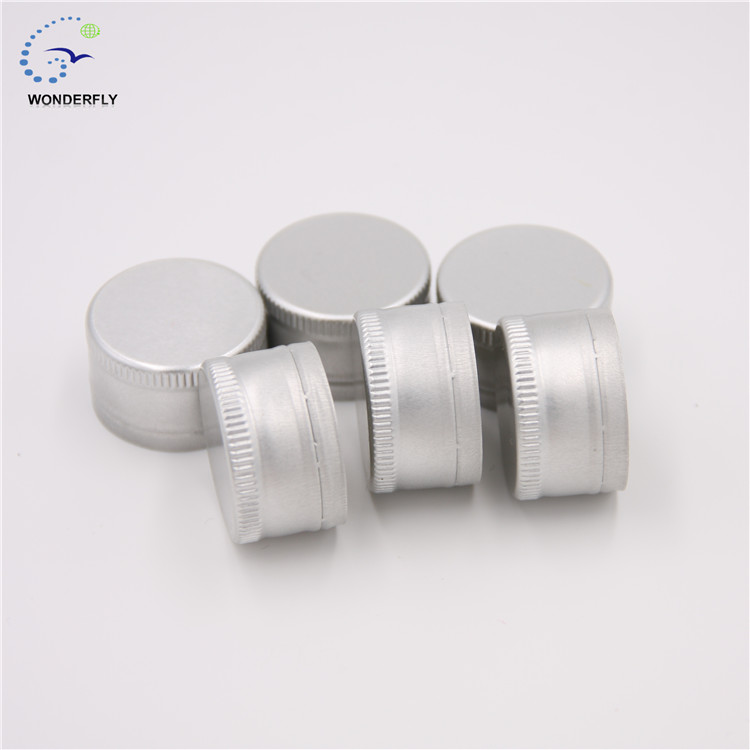
1. Aluminum Lid: Advantages and Disadvantages
advantage
1. Excellent sealing, resistant to acids, alkalis, and corrosion, and not prone to rust
2. Light texture, good toughness, resistant to cracking, suitable for high-speed production lines
3. 100% recyclable and eco-friendly, high-end, with high-quality printing/oven-baked finishes
R1: "Pickled vegetables" must be translated as
Original: 4. Non-toxic and stable, suitable for health supplements, beverages, oral liquids, pickled vegetables, and pharmaceuticals
Translation:
5. Easy to unscrew, stable torque, and mature anti-theft break-off ring structure
shortcoming
The hardness is inferior to that of an iron cover, making it prone to slight deformation under pressure
2. The unit price is higher than that of ordinary plastic lids
II. Plastic Lid Advantages and Disadvantages
advantage
1. The lowest price, with significant cost advantages
2. The lightest in weight, waterproof, corrosion-resistant, and rust-free
3. Diverse shapes and rich structures (flip, twist, press lids)
4. Durable and highly resilient, resistant to damage from impacts
shortcoming
1. Prone to aging, deforms easily under high temperatures/fats, and releases harmful substances
2. The sealing performance is average, prone to air leakage and odor transfer, with a short shelf life
3. Low grade and poor texture, unsuitable for mid-to-high-end products
4. Difficult to degrade, low recycling value, and environmentally unfriendly
5. Some materials are not resistant to alcohol, acids, and alkalis, and can be easily corroded
III. Advantages and Disadvantages of Tinplate (Galvanized Iron) Covers
advantage
1. Highest hardness, resistant to compression, deformation-free, and capable of bearing heavy loads with strong compressive strength
2. Strong metallic texture, excellent sealing performance, heat-resistant, and steam-resistant
3. The cost is between that of plastic and aluminum caps, offering good value for money
4. Suitable for canned goods, high-temperature sterilized foods, and glass jar sealing
shortcoming
1. Highly prone to rust, susceptible to corrosion when exposed to moisture, water, acids, or alkalis
2. The material is hard and brittle, prone to chipping, peeling, and cracking upon impact
3. Heavy weight, high transportation costs
4. The texture is relatively hard, with significant resistance when twisting the cap, making it prone to scratching hands
5. Recycling value is lower than aluminum
IV. Core Key Comparison Summary (At-a-Glance)
Corrosion-resistant & rust-free
Aluminum lid > Plastic lid > Iron lid
2. Hardness & Compression Resistance
Iron lid > Aluminum lid > Plastic lid
3. Cost Price
Plastic lid < Iron lid < Aluminum lid
R1:must be translated as "appearance score"
Original: 4. Grade & Appearance Score
Translation:
Aluminum lid > Iron lid > Plastic lid
5. Sealing & Preservation
Iron cap ≈ Aluminum cap > Plastic cap
6. Environmental Recycling
Aluminum lid > Iron lid > Plastic lid
V. Recommended Application Scenarios
R1: "Baijiu" must be translated as Baijiu.
Original: • Select aluminum caps: Baijiu, red wine, oral liquid, health supplements, pharmaceuticals, seasoning bottles, mid-to-high-end food products.
Translation:
• Iron lid: Fruit canned goods, sauce bottles, sterilized products, and items requiring pressure-resistant storage
• Select plastic lids: Household chemicals, general beverages, low-end food, disposable packaging, cost control

 Cart(
Cart(
