Detailed dimension analysis
Taste preservation and quality
This is the most central point of controversy, as traditional concepts are being overturned.
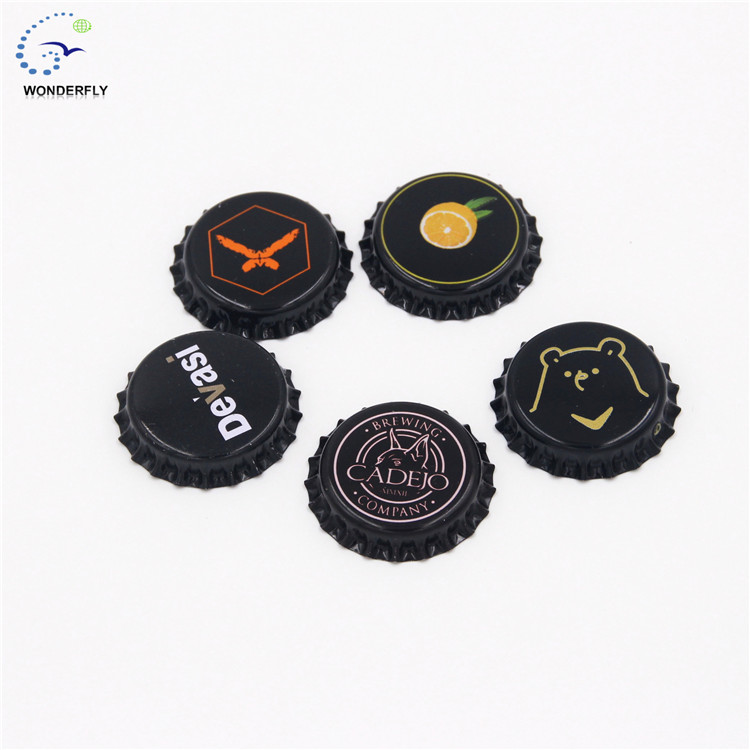
Crown cap (glass bottle):
Advantage: It has long been regarded as the carrier of flavor "standards". Especially when paired with oxygen absorbing caps and pre coated covers, it can minimize oxidation and gasket odors, providing ultimate protection for top beer. Brown/green glass can block most harmful light.
Disadvantage: Unable to completely avoid light (bottle shoulder and bottom may be translucent); If using ordinary gaskets, there is a potential risk of odor.
Cans:
Advantage: Complete shading, completely eliminating the "sunlight odor". Modern food grade internal coating technology (such as epoxy resin) has become very mature, effectively isolating the contact between alcohol and aluminum, and eliminating the "metallic smell". The top clearance space after sealing is usually smaller than that of the bottle, which means there is less residual oxygen.
Disadvantage: The psychological shadow of early low-quality coatings is still present. There is still controversy over the applicability of a very small number of styles, such as sour beers that require long-term aging. When drinking, the mouth and nose may come into contact with the can mouth, which may affect the accumulation of aroma.
Conclusion: For the vast majority of beers, especially IPA and pale ale that are afraid of oxidation and light exposure, modern cans provide at least as much protection as, or even better than, regular glass bottles. Only glass bottles equipped with top-notch oxygen absorption technology may have a slight advantage in absolute oxidation resistance.

 Cart(
Cart(
